Apple Partners with Alibaba to Integrate AI into iPhones in China: A Strategic Move to Boost Market Presence
Apple partners with Alibaba to integrate AI into iPhones in China, enhancing Siri, translation tools, and personalization while ensuring regulatory compliance, strengthening Apple’s market position against competitors like Huawei and Xiaomi.


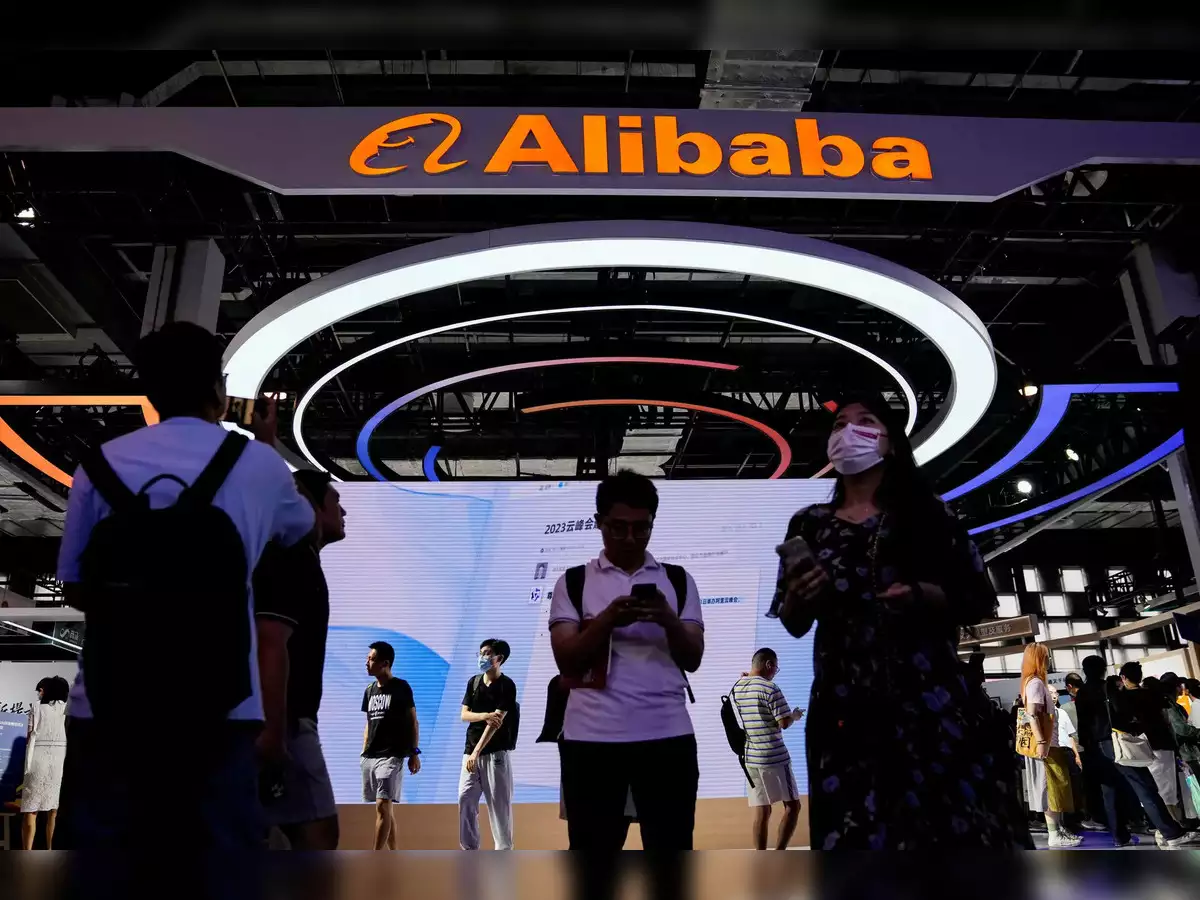
In a significant technological development, Alibaba Group Chairman Joe Tsai confirmed that Apple is partnering with Alibaba to integrate artificial intelligence (AI) into iPhones sold in China. Speaking at the World Governments Summit in Dubai, Tsai stated, "[Apple] talked to a number of companies in China, and in the end, they chose to do business with us. They want to use our AI to power their phones."
This announcement marks a pivotal moment in Apple’s strategy to strengthen its foothold in China, the world’s largest smartphone market, where competition has been intensifying. The partnership, initially reported by The Information, triggered a surge in Alibaba and Apple shares, indicating strong market confidence in the collaboration.
The Strategic Importance of the Partnership
Navigating China’s AI Regulations
China has implemented stringent regulations on artificial intelligence, particularly on large language models (LLMs). These laws require AI companies to obtain government approval for commercial use and monitor AI-generated content for compliance with national standards. By partnering with Alibaba, a homegrown tech giant, Apple can more easily navigate regulatory hurdles and ensure its AI applications align with China’s legal framework.
Boosting Apple’s Market Position Amid Competition
Apple’s market share in China has been under pressure from domestic competitors like Huawei, Xiaomi, and Oppo, all of which have been quick to integrate AI-driven features into their devices. Huawei, in particular, has gained a competitive edge with AI-powered functionalities on its latest smartphone models.
Apple’s move to leverage Alibaba’s AI technology demonstrates its commitment to remaining competitive in China’s rapidly evolving smartphone landscape. The integration of AI-powered voice assistants, automated email organization, and advanced transcription services into iPhones will enable Apple to match the offerings of local rivals.
Enhancing Apple Intelligence
Apple Intelligence, the company’s broader AI initiative, is set to launch in the U.S. later this year. It aims to enhance Siri’s capabilities, introduce AI-powered summarization tools, and refine user experience across Apple devices. However, due to China’s regulatory environment, Apple Intelligence has faced delays in the Chinese market. By partnering with Alibaba, Apple can localize AI features and ensure compliance with Chinese regulations, allowing it to roll out AI advancements without significant roadblocks.
Market Response to the Announcement
Following the announcement of the partnership, Alibaba’s Hong Kong-listed shares surged, reaching their highest level since 2022 before settling at a 2.5% increase. Apple’s stock also saw a positive reaction, reflecting investor optimism about the deal’s potential to strengthen Apple’s position in China.
This partnership signals confidence in Alibaba’s AI capabilities and its potential to enhance Apple’s AI-driven ecosystem in China. Analysts suggest that this move could help Apple regain lost ground in the Chinese smartphone market by offering competitive AI features tailored to local user preferences.
Alibaba’s AI Capabilities and How They Will Enhance iPhones
Alibaba has been at the forefront of AI research and development in China, investing heavily in its own large language models and voice assistant technologies. Some key AI innovations Alibaba is expected to bring to iPhones include:
AI-Powered Voice Assistant
Alibaba’s AI-driven voice assistant will likely enhance Siri’s capabilities in China, offering better natural language understanding, improved contextual awareness, and more localized features that cater to Chinese users.
Advanced Translation and Summarization Tools
With China being a multilingual market, Alibaba’s AI could power advanced translation features that improve communication across different dialects. Additionally, AI-driven summarization tools will allow users to condense large volumes of text and audio into digestible information.
Personalized AI Recommendations
Leveraging Alibaba’s AI, Apple could introduce features that provide personalized recommendations based on user behavior, such as tailored news summaries, intelligent app suggestions, and contextual reminders.
AI-Driven Photo and Video Enhancements
Apple may integrate Alibaba’s AI to enhance photo and video editing capabilities, allowing users to apply AI-powered filters, remove unwanted objects, and generate high-quality visual content with ease.
Challenges and Potential Roadblocks
Despite the promising aspects of this partnership, there are several challenges Apple and Alibaba must navigate:
Regulatory Compliance
While Alibaba’s involvement helps Apple meet regulatory requirements, any changes in China’s AI policies could impact the partnership’s success.
Data Privacy Concerns
Chinese users may raise concerns about how their data is processed and stored. Ensuring robust data privacy measures will be critical to gaining user trust.
Integration Complexity
Seamlessly integrating Alibaba’s AI with Apple’s ecosystem without compromising the user experience could be a complex task that requires extensive research and development.
Future Implications
This partnership is expected to have broader implications for the global smartphone industry and AI advancements. If successful, it could pave the way for similar collaborations between Western tech giants and Chinese AI firms. Additionally, it could set a precedent for how multinational companies adapt to local regulations while maintaining innovation.
For Apple, this move is part of a broader strategy to ensure that it remains competitive in international markets by leveraging regional expertise. If Alibaba’s AI integration proves successful in China, Apple may explore similar partnerships in other regions with strict AI regulations.
FAQs
Why is Apple partnering with Alibaba instead of developing its own AI for China?
Apple faces regulatory challenges in China, which require AI models to be approved before they can be commercially used. By partnering with Alibaba, Apple can leverage a local company’s expertise to ensure compliance while still enhancing AI capabilities in iPhones.
What AI features will Alibaba bring to iPhones in China?
Alibaba’s AI is expected to enhance Siri, improve text and voice recognition, offer advanced translation tools, and introduce personalized AI-driven recommendations for Chinese users.
Will this partnership affect iPhones outside China?
Currently, the partnership is focused on iPhones sold in China due to regulatory constraints. However, if successful, similar collaborations with AI providers in other countries may emerge in the future.
How does this partnership impact Apple’s competition with Huawei and other Chinese smartphone makers?
By integrating AI features tailored to the Chinese market, Apple can better compete with Huawei, Xiaomi, and Oppo, all of which have been promoting AI-driven functionalities in their smartphones.
When will Chinese iPhone users see AI features powered by Alibaba?
The timeline for implementation has not been officially announced, but given Apple’s AI rollout in the U.S. this fall, it is likely that China-specific AI enhancements will follow shortly after.
Apple’s partnership with Alibaba represents a strategic effort to strengthen its market position in China amid growing competition and regulatory challenges. By leveraging Alibaba’s AI expertise, Apple aims to enhance user experiences, comply with local regulations, and maintain a competitive edge in the world’s largest smartphone market. The collaboration signals a new era of AI-driven innovation in the tech industry and may set a precedent for future partnerships between global and regional technology firms.