All You Need to Know About Temu: China's 'Mind-Blowingly' Cheap Shopping App Hits Roadblocks in Southeast Asia
Temu, the Chinese shopping app that has rocked some of the lowest prices ever, continues to face big roadblocks as it tries to expand its dominance in Southeast Asia: stiff competition and regulatory hurdles.

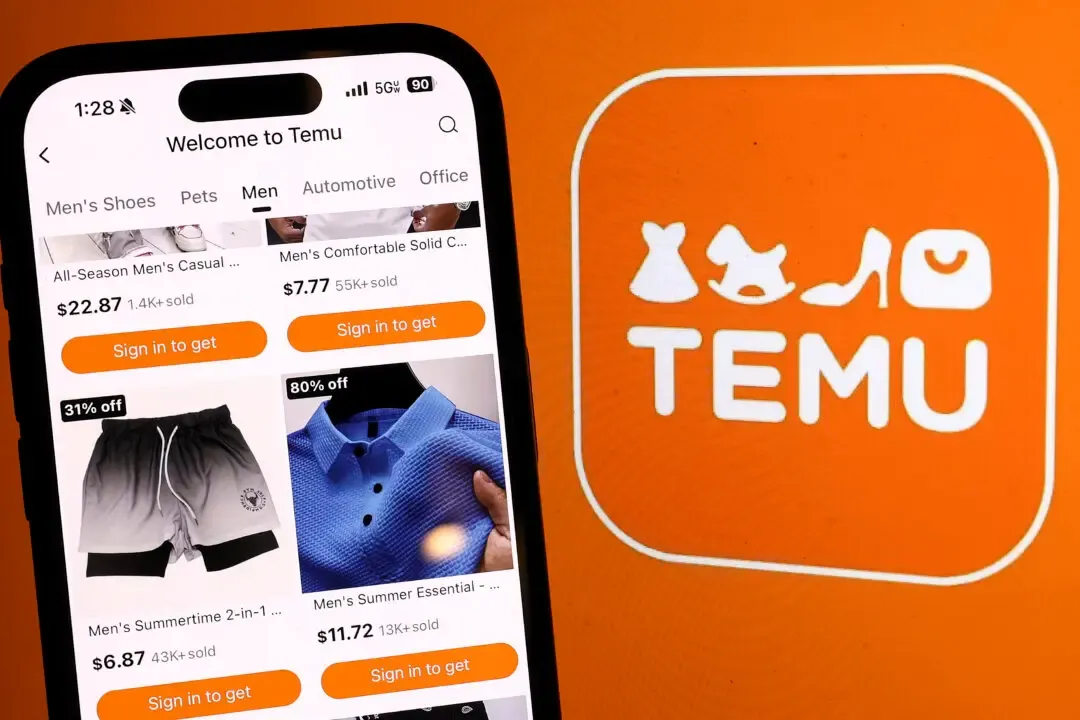
Temu, the shopping application from China selling goods at wonderfully low prices, has gained rapid ground since its launch. While its competitive pricing and diversified product portfolio were hallmarks which earned it a favorite among the bargain hunters all around the world, its expansion into Southeast Asia is now severely tested by serious challenges. Temu's reputation for being "mind-blowingly" affordable has been a double-edged sword: a magnet to consumers while also worrying industry insiders and regulators.
Launched under the parent company of Pinduoduo, another e-commerce giant in China, Temu quickly quickly gained market share with its strategy of cutting prices It offered a wide range of items-from electronics to fashion to home goods-at a price well below most competitors' online shopping dynamics. The ability to utilize direct manufacturing agreements and a wide logistical supply chain throughout China kept costs relatively low, catering to price-sensitive consumers, especially within the United States and Europe.
On the other hand, Temu's thrust into Southeast Asia has not been so easy. Southeast Asia, after all, is a region known for its varied economic landscape and e-commerce competitive space. The consumer bases available in some of its countries, such as Indonesia and the Philippines, are huge, but the strict regulatory framework as well as market dynamics make it difficult to penetrate for new entrants like Temu.
The business's cheaper pricing models make it seem attractive at first glance, but these lowly priced models of Temu begin to ring alarm bells in terms of being sustainable. Critics consider its possible unsustainable pricing scheme, particularly in the long term upon considering shipping costs and southeast Asian local regulations. There is unease about unfair competition, especially with unpretentious local businesses trying to cope with rock-bottom prices. Many small merchants and traditional traders of these places are feared the platform is undermining their business, and job losses and market disruption are feared.
Besides that, this service has been put under criticism for its business models of Southeast Asia. Regulators from several countries are investigating the app's compliance in the laws of the place, focusing on areas on consumer protection, intellectual property rights, and unfair trade practices. This is compounded by growing geopolitical tensions and the rising desire in Southeast Asia to safeguard domestic markets against foreign influence. As such, Temu may have to radicalize its business model to meet the requisite of compliance with local regulations to establish and maintain its presence in the region.
Despite these, however, Temu is as of this writing still seeing massive growth globally. Its parent company, PDD Holdings, is determined to extend its market reach. For now, the strategy and regulatory blockade in Southeast Asia - a region where success can be pivotal for establishing Temu as the leading global force in e-commerce - is where all efforts must be channeled.
it is an important opportunity for Temu in Southeast Asia but also poses challenges for Chinese tech giants on their quest to expand further into international markets. Only time will tell if it can overcome such hurdles and continue its trend upwards.