Alex Pretti Shooting: Border Patrol Fallout in Minneapolis

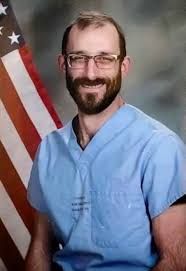
The city of Minneapolis has been the center of a rapidly escalating national controversy after 37-year-old Alex Pretti, an intensive-care unit nurse, was shot and killed by U.S. federal agents during an immigration enforcement operation on January 24, 2026. Pretti’s death marked the second U.S. citizen killed by federal forces in the city this month, following a separate fatal shooting, and has intensified protests and calls for accountability.
According to video evidence and witness accounts, Pretti was unarmed and holding what looked like a phone when agents confronted him and others on a city street. That footage contradicts early claims from some officials that he was armed or posed a violent threat.
Command Shake-Up: Border Patrol Leadership to Leave
In a key development tied to the backlash, Border Patrol commander Gregory Bovino — who had been overseeing federal immigration operations in Minneapolis — is expected to leave the city and possibly retire soon as part of a broader federal response to the unrest. Several sources familiar with the situation say his specially created title of “commander at large” has been eliminated, and he will return to his former post in California.
Bovino became a widely criticized figure after defending both this shooting and another recent one; his tactics and public comments have drawn sharp rebukes from local officials and community leaders. The reported leadership shift aims to de-escalate tensions in Minnesota amid ongoing protests.
Federal Claims vs. Evidence
Federal officials, including a Department of Homeland Security spokesperson, initially defended the agents’ actions by alleging Pretti resisted violently or was armed. However, widely circulated video footage and witness testimony indicate Pretti was not holding a weapon before being fatally shot. His family and local authorities have strongly disputed the federal narrative.
The National Rifle Association (NRA) and other commentators have criticized early justifications offered by some prosecutors, calling them premature and urging patience until a full investigation is completed.
Federal and Local Political Reactions
In Washington, the Trump administration has been under pressure to respond to the political and public backlash. Officials reportedly scaled back the federal presence, and President Trump engaged in discussions with Minnesota Governor Tim Walz and Minneapolis Mayor Jacob Frey to try to ease the situation. A federal “border czar,” Tom Homan, has been dispatched to oversee remaining operations.
Lawmakers from both parties are calling for independent and transparent investigations, and some local leaders are questioning whether federal immigration enforcement activities have been conducted professionally and with proper oversight.
Community Outcry and Protests Continue
The shooting has galvanized ongoing protests in Minneapolis, with demonstrations continuing outside hotels where federal agents were believed to be staying. Local residents and civil liberties advocates have expressed deep frustration over how the operation was carried out and have called for accountability and changes to enforcement tactics.
What We Know About the Shooting
Details from reporting and verified sources show:
- Pretti was shot multiple times by Border Patrol agents on January 24, 2026, in the Whittier neighborhood of Minneapolis. Video shows him near a group of civilians when shots were fired.
- Witnesses said Pretti was recording or observing agents when the confrontation escalated, and that he was shot after engaging with someone being pushed by officers.
- Early claims by some officials that Pretti was armed have been questioned by video evidence and public statements from local law enforcement.
Why It Matters: Federal Power, Accountability, and Public Trust
This incident has reopened broader debates about federal immigration enforcement tactics, transparency, and civil liberties. Critics argue the use of heavily armed units and aggressive strategies in urban communities has led to fear, conflict, and, in this case, the loss of life. Supporters of the federal presence argue that agents are carrying out lawful duties and that investigations must be allowed to unfold before drawing conclusions. The conflicting narratives have made this a flashpoint in ongoing discussions about federal authority, policing standards, and community safety.