Alex Caruso Shades Lakers’ 2020 Championship: “Now I Got a Real One”

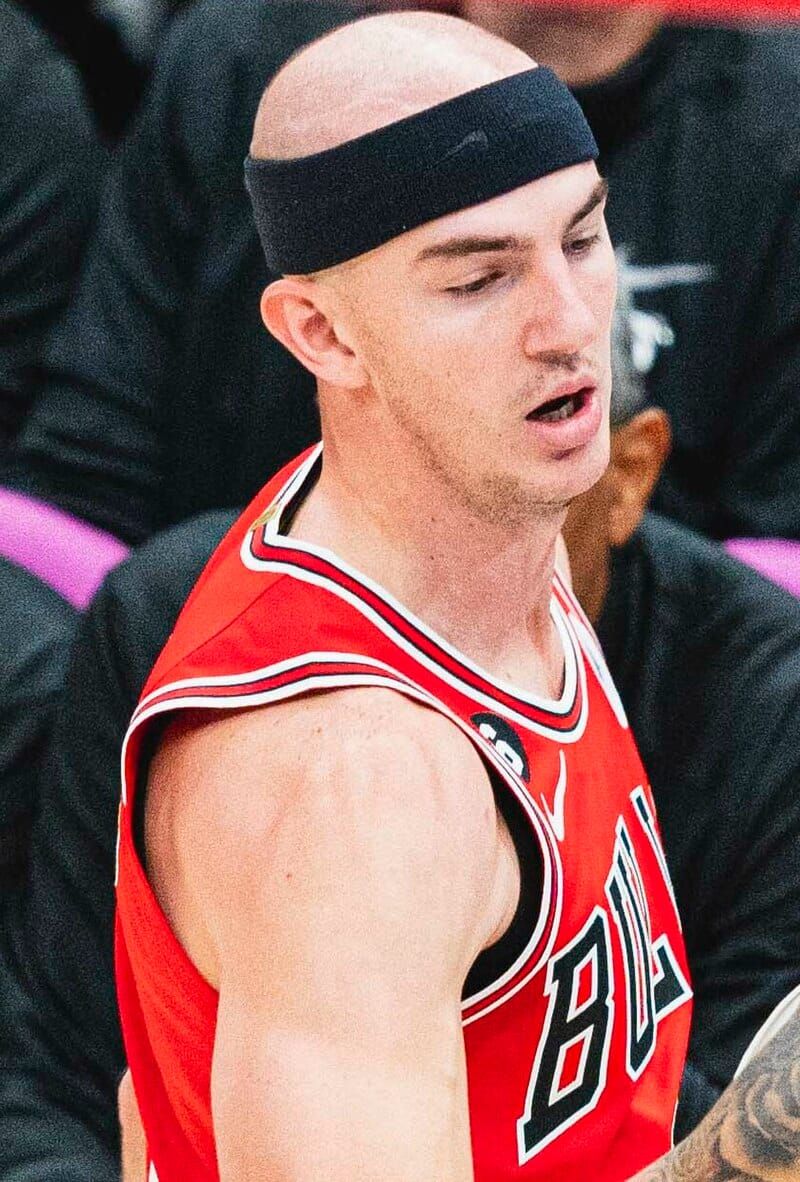
After winning the 2025 NBA Finals with the Oklahoma City Thunder, Alex Caruso didn’t mince words on media day:
“Now I got a real one! Now nobody can say anything!”
He implied his 2020 title with the Lakers doesn’t count the same—claiming this latest ring is the only one that “matters.”
Caruso’s remarks spotlight a widely held view: the 2020 NBA Bubble playoff environment, held in isolation due to COVID-19, lacked the regular-season grind and typical home-court dynamics. Many players and fans treated those Lakers and Heat rings as less “legitimate.” His comment—though blunt—reflects this sentiment.
Reactions on social media and Lakers fan forums were swift:
- Supporters reminded critics that winning in the bubble required mental toughness—saying Caruso’s remark “disrespects” the achievement.
- Defenders of Caruso replied, emphasizing the rigorous challenge of navigating a traditional Finals series.
The response captures the tension between two very different paths to a championship. - Undrafted in 2016, Caruso built his reputation in the G League before earning a roster spot with the Lakers in 2017 en.wikipedia.org.
- He signed a two-year, $5.5M deal in 2019, won his first title in 2020, and later played for Chicago.
- With the Thunder in 2025, Caruso claimed his second ring—a win he calls the only “real one.”
Caruso seems to suggest this victory—earned under standard playoff conditions—holds more weight than his Bubble title. Some applaud his honesty, while others see it as trash-talk targeting his former team. The discussion reignites debates about the fairness and validity of the 2020 championship format.
Alex Caruso’s candid dismissal—“Now I got a real one”—touches on a long-standing division between bubble champions and winners from traditional playoff formats. For Caruso, this second ring is validation in a more authentic postseason environment. But for Lakers fans, it stings as a rebuke to their own triumph. It’s more than bold talk—it’s a debate over legacy, legitimacy, and how basketball history should be written.