Albanese Warns Musk: Stay Away, We’ve Got Foreign Interference Laws
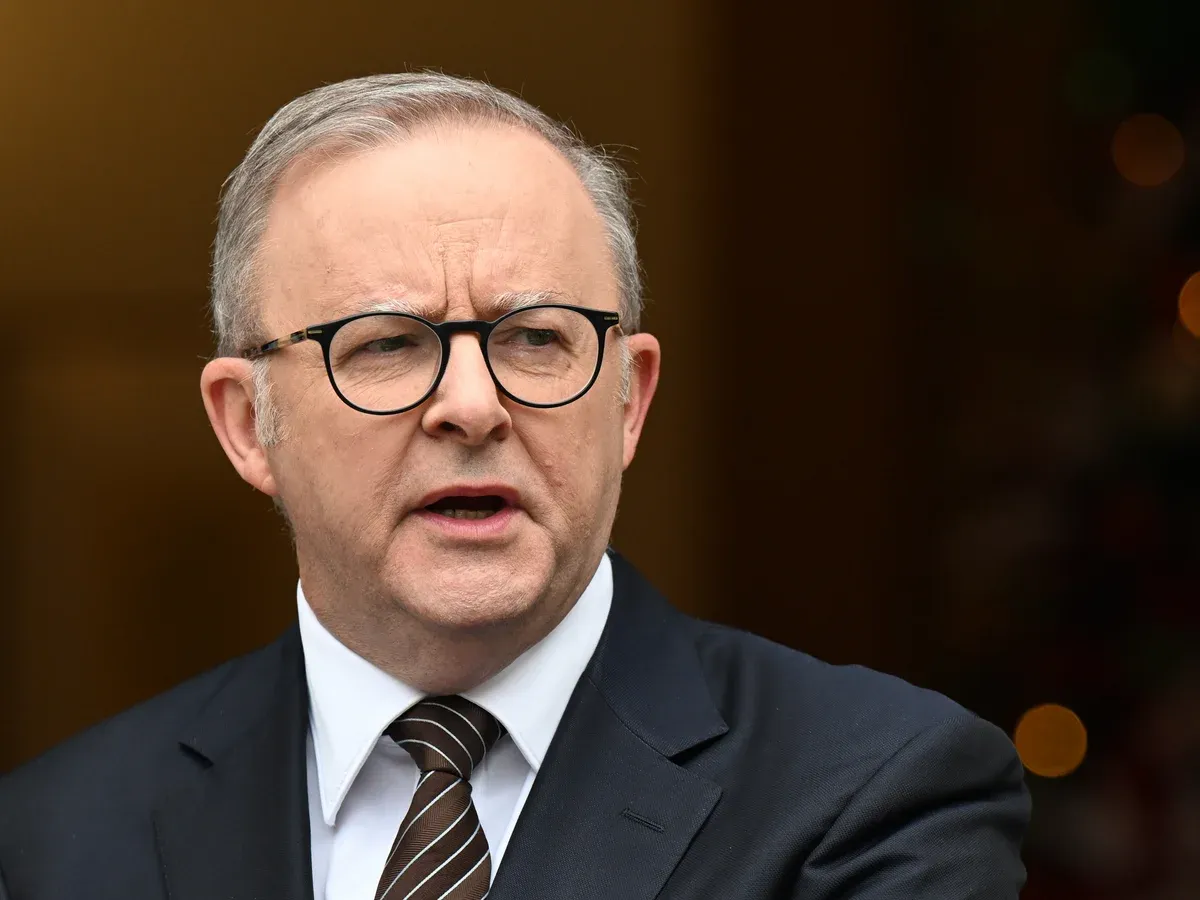
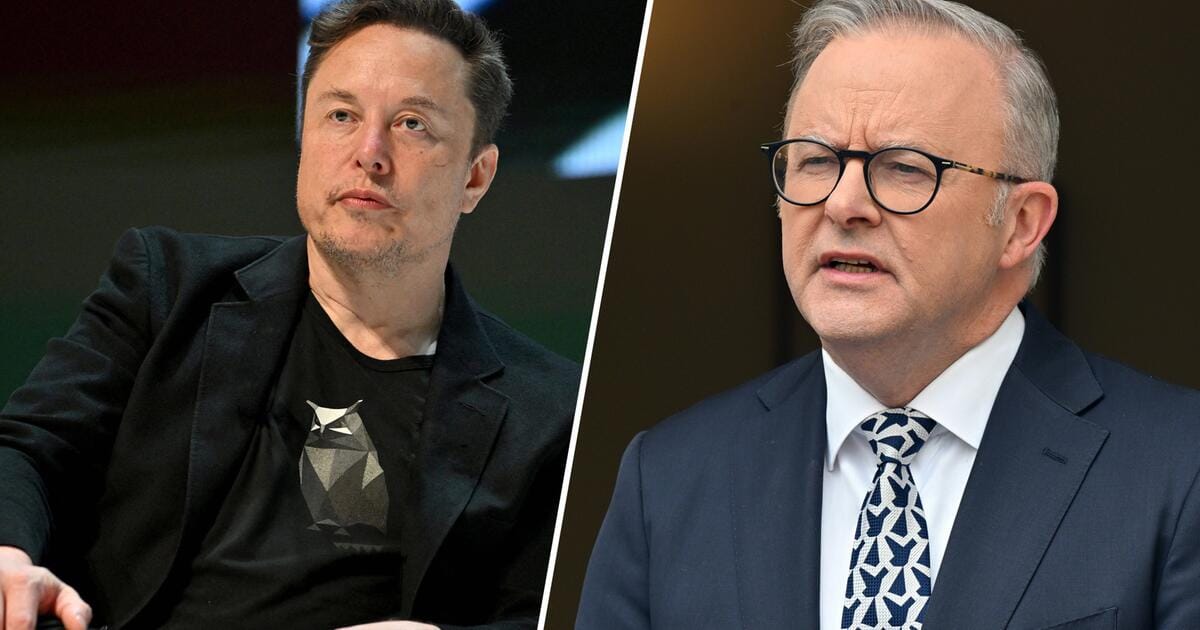
The Prime Minister of Australia, Anthony Albanese, has sent a strong message to Elon Musk, advising him to comply with Australia's foreign interference laws. The government is taking stern action against foreign interference in the affairs of the nation.

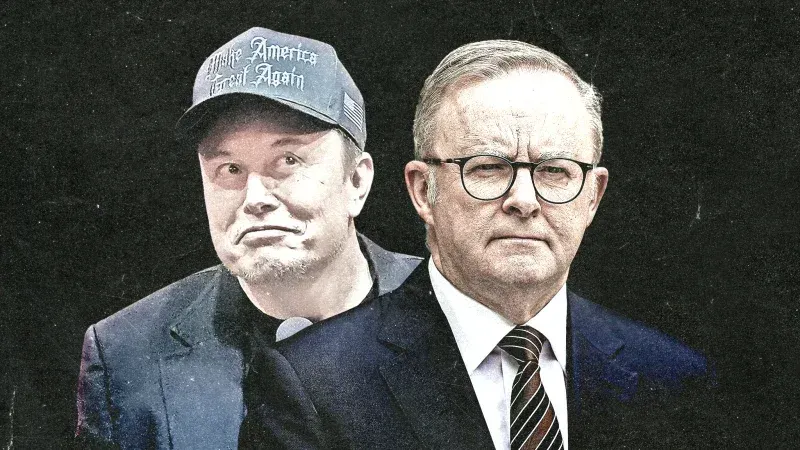
Australian Prime Minister Anthony Albanese publicly warned tech billionaire Elon Musk to respect Australia's strict foreign interference laws. This comes amidst persistent disputes between the social media platform X (formerly Twitter), founded by Musk, and Australian regulatory authorities regarding disinformation control, national security, and local compliance. In light of the international concern over foreign interference with democratic institutions, the Australian government has made it clear that it will not stand for interference by external actors, even if they are tech moguls like Musk.
Background: Australia and Elon Musk in Tensions
Musk's influence over X has brought him into conflict with governments around the world due to his laissez-faire attitude towards content moderation. In Australia, the government has accused X of permitting dangerous disinformation and foreign propaganda to proliferate unchecked. The government maintains that unregulated online speech can sway elections, spark violence, and be used by hostile nations to sway public opinion.
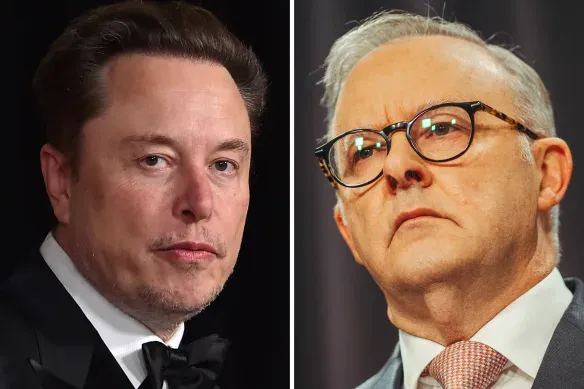
Australia's Foreign Interference Laws
Australia enacted foreign interference laws in 2018. These laws and regulations criminalize undercover and stealthy and deceptive acts carried out by foreign agents with the intent of manipulating Australian politics, economy, or society. The enactment of these laws will avert cyber attacks, misinformation campaign, and undermines democratic processes. Penalties for committing the offense are severe, including imprisonment and other pecuniary sanctions.
Musk's Free Speech Argument
Elon Musk, a self-proclaimed free speech advocate, has criticized Australia’s approach to content moderation. He argues that excessive government regulation stifles open discourse and innovation. However, Australian authorities counter that national security takes precedence over unrestricted online speech, particularly when foreign actors exploit these platforms to spread falsehoods and create instability.
Recent Developments: Albanese’s Firm Stance
Albanese clarified that every overseas corporation, even that owned by Elon Musk, will not be treated any differently; the Australian law has to be complied with by them. His government, according to Albanese, will ensure any such group is taken necessary actions if it is unwilling to work within national security guidelines.
Actions by Government against X
Litigation: ACMA warned X that its non-action regarding reducing foreign influence would invite judicial repercussions.
Increased Surveillance: Authorities are watching the platform closely to see any and all activities which breach national security laws.
Extreme Measures: The government might, in extreme situations, look for extreme measures like imposing restrictions on the access of this platform in Australia if X doesn't comply.
Public and Political Reactions
Many Australian politicians have defended Albanese's stance, stating that the protection of democratic institutions in the country cannot be compromised. Civil liberties organizations, however, warn that too much control by the government over social media may result in censorship and infringement of freedom of speech.
International Ramifications of Musk's Standoff with Governments
As with the other countries, there is tension between Elon Musk and Australia over the regulation of X. The European Union, the United States, and India also have issues against the moderation policies of X. Governments worldwide are trying to find equilibrium between free speech and foreign interference as well as misinformation.
The Future of Social Media Regulation
As social media becomes a battlefield for political influence, governments increasingly enact laws that curb its misuse. Australia's approach could become a precedent for other nations to regulate powerful tech companies while keeping democratic processes on track.
Albanese’s warning to Musk highlights the growing friction between national security concerns and tech industry policies. With foreign interference posing a significant threat, Australia remains steadfast in enforcing its laws, ensuring that even global billionaires like Elon Musk cannot operate above the rules. The coming months will determine whether Musk will comply with Australia’s legal framework or risk severe consequences.
Frequently Asked Questions (FAQs)
What are Australia’s foreign interference laws?
The foreign interference laws were enacted in Australia in 2018 to stop covert influence by foreign entities over the politics, economy, and society of the country. These laws criminalize activities such as deceptive activities, disinformation campaigns, and cyber threats.
Why is Elon Musk being warned by Anthony Albanese?
Albanese has warned Musk because his social media platform, X, has been accused of allowing foreign actors to spread misinformation and interfere in Australian affairs without adequate regulatory compliance.
How has X reacted to Australia's regulations?
Elon Musk and X have been against the stringent government regulations. They claim that over-moderation will suppress free speech. However, Australian authorities want them to abide by national security laws.
Can Australia ban X?
A ban is not in place yet, but the Australian government has stated that it will do whatever it takes, including imposing restrictions, if X does not comply with local laws.
How does Australia's approach compare with others?
Just like Australia, other countries like the EU, the U.S., and India are concerned with the spread of misinformation by X. Most are now looking into legislating the regulation of social media companies.