Advancing Robotics through Multidisciplinary Expertise: Babar Shaik's Perspective

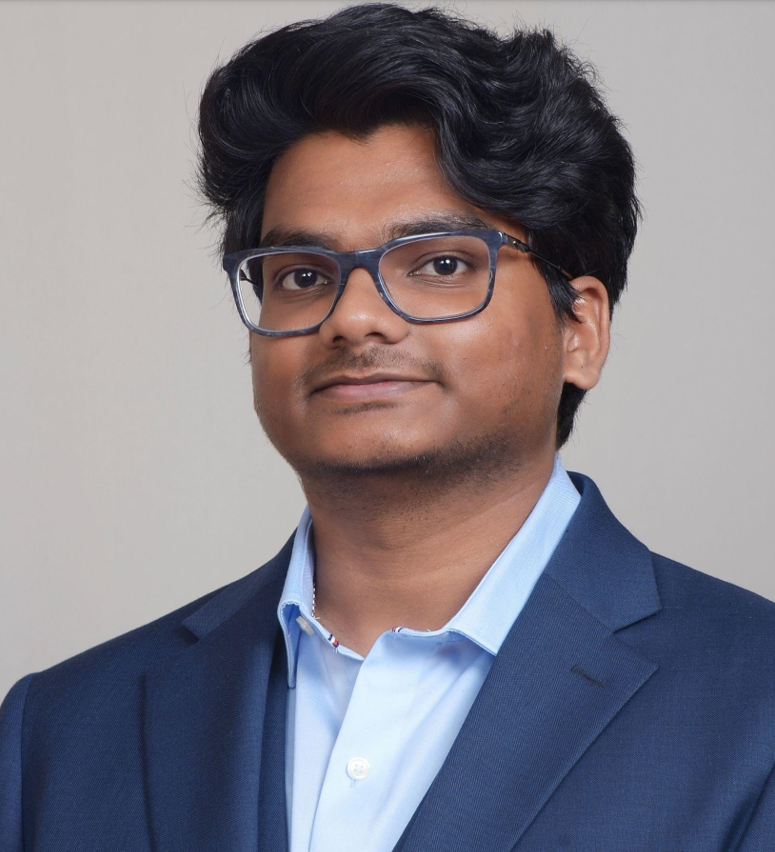
The field of robotics stands as a testament to the power of multidisciplinary collaboration, blending mechanical design, computer science, electrical engineering, and advanced analytics. Babar Shaik’s journey in robotics exemplifies how integrating diverse fields can drive innovation and solve complex challenges. From his early projects to his work in developing cutting-edge Mobile LiDAR systems, Shaik’s career highlights the value of a holistic approach to technological advancement.
Early Foundations: The Electric Bike Project
Babar’s passion for robotics was ignited during his undergraduate years with the creation of an electric bike from salvaged components. This project required a fusion of mechanical engineering for designing and welding the frame, electrical engineering for integrating a BLDC motor and lithium-ion battery, and project management skills to lead the team. This hands-on experience provided a foundational understanding of how mechanical systems and software can converge to address real-world problems.
The electric bike project was more than a technical exercise; it was a formative experience that underscored the importance of cross-disciplinary expertise. By navigating the challenges of combining mechanical and electrical systems, Babar developed a keen appreciation for the synergy between different engineering domains, setting the stage for his future work in robotics.
Specialization in Robotics and LiDAR Systems
Building on this foundation, Babar specialized in robotics, focusing on the integration of GPS, IMU (Inertial Measurement Unit), and INS (Inertial Navigation System) devices into Mobile LiDAR systems. His expertise in georeferencing point cloud data allowed for seamless transitions between local and global coordinate systems, a critical capability for applications such as autonomous vehicles and infrastructure mapping.
Babar’s work in LiDAR systems exemplifies the importance of combining hardware and software expertise. By integrating precise geospatial data with advanced analytics, he has enhanced the accuracy and functionality of LiDAR applications, contributing to the advancement of infrastructure analysis.
Insights from Optical Calibration
Babar’s multidisciplinary approach was further enriched during a visit to an offshore office, where he collaborated with the optics team. This experience involved fine-tuning camera parameters and optimizing lens selection processes for industrial cameras, highlighting the critical role of precise intrinsic and extrinsic calibration in achieving optimal system performance.
The ability to combine hardware insights with software enhancements has been a recurring theme in Babar’s work. His hands-on experience with optical calibration underscored the importance of meticulous attention to detail and the integration of diverse technical disciplines to push the boundaries of robotic systems.
The Power of Multidisciplinary Learning
Throughout his career, Babar has championed the idea that innovation in robotics stems from a willingness to explore and integrate knowledge across disciplines. Whether it involves understanding the mechanical intricacies of a system or developing algorithms to optimize performance, his ability to see the bigger picture has been central to his success.
Babar’s story serves as an inspiration for the next generation of engineers, encouraging them to embrace multidisciplinary learning as a pathway to unlocking new possibilities in robotics. By bridging gaps between domains and fostering a collaborative mindset, future innovators can drive the field forward, creating solutions that are both technologically advanced and profoundly impactful.
Babar Shaik’s journey in robotics underscores the transformative potential of a multidisciplinary approach. His work demonstrates how blending mechanical, electrical, and software engineering can lead to groundbreaking innovations in robotics and LiDAR systems. By sharing his experiences, Babar aims to inspire others to explore the intersections of diverse fields, paving the way for a new era of technological advancement and discovery in robotics.