A New Home for New Leadership: Mamdani Moves to Gracie Mansion

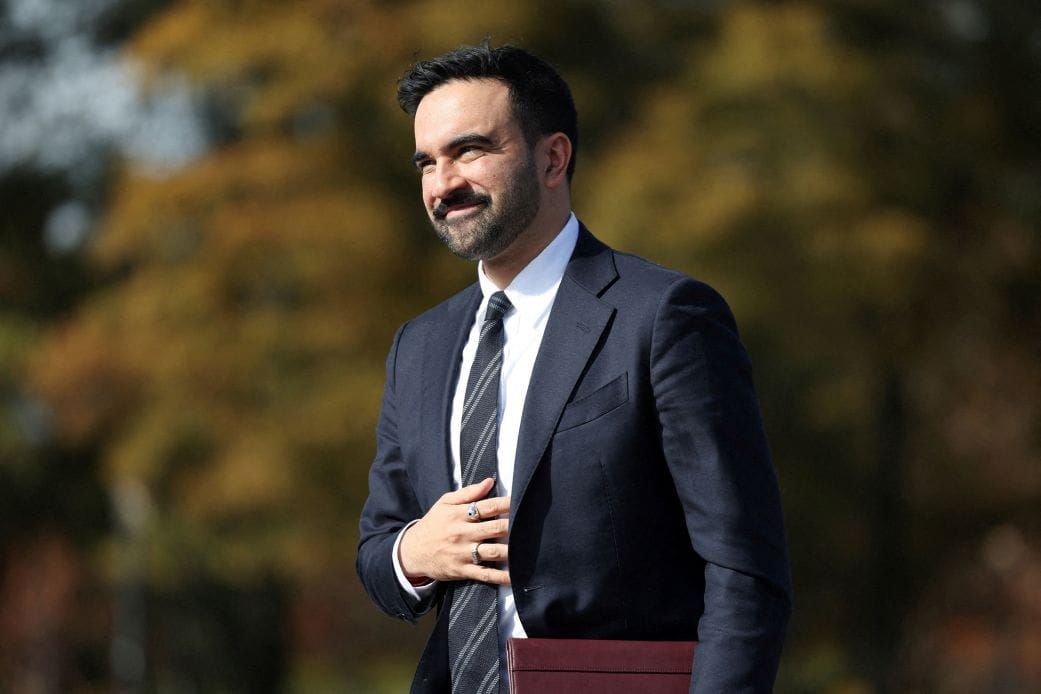
Soon after winning the 2025 mayoral election, Zohran Mamdani announced he and his wife will relocate from their modest rent-stabilized apartment in Astoria, Queens, to Gracie Mansion — the 11,000-square-foot historic residence designated for New York City mayors.
For the couple, the decision hinges primarily on safety and practicality. Mamdani stressed that living in Gracie Mansion will allow him to concentrate fully on the affordable-housing agenda that anchored his campaign.
In a statement, Mamdani and his wife bid farewell to Astoria — the neighborhood where they cooked dinner together, shared elevator rides, and heard the sounds and smells of a vibrant immigrant community around them. He acknowledged the sentimental value of those years while underscoring that his priority now is serving all New Yorkers.
Why the Move Matters — Safety and Symbolism
Mamdani has indicated that security played an important role in choosing Gracie Mansion. As mayor-elect, the added attention and responsibilities make a secure, dedicated residence both practical and necessary. Living in the official residence eliminates some of the personal vulnerabilities that can come with private housing in a densely populated city like New York.
More than just a physical move, the decision reflects a balancing act between the idealism of his campaign — promise of affordability for working-class New Yorkers — and the realities of public office. While some may see the shift as a departure from his grassroots beginnings, Mamdani frames it as a responsible step to effectively lead the city he will govern.
Gracie Mansion: History, Size, and Expectations
Gracie Mansion has served as the official residence for New York City’s mayors since 1942, though not every mayor has chosen to live there full-time.
The mansion sits on the Upper East Side, in Carl Schurz Park overlooking the East River. Inside lie five bedrooms, formal reception rooms, and ample space — a far cry from Mamdani’s previous one-bedroom Astoria apartment.
Living here could offer practical advantages: better security, easier hosting of official events, and the infrastructure for a mayor’s responsibilities. But for Mamdani and his supporters, the symbolic shift raises broader questions about authenticity and alignment with the everyday New Yorkers he campaigned for.
Community Reaction: Mixed Feelings, Some Criticism
Naturally, the move has sparked discussion. On one hand, many understand the security and functional reasons for relocating to the mayoral residence. On the other hand, critics argue it undercuts Mamdani’s populist message of affordability and solidarity with working-class and rent-regulated New Yorkers.
During his campaign, Mamdani emphasized rent freezes and protections for tenants. His decision to occupy a historic, upscale mansion — even if it is the official residence — opens room for debate over whether this move signals a shift away from those principles, or simply reflects the obligations that come with public office.
Mamdani has tried to address those concerns directly. He said that while he may no longer live in Astoria, the neighborhood “will always live inside me and the work I do.” He vows to remain a mayor for “the line cooks … the children playing in playgrounds … the bus riders” — signaling intent to keep his policy focus unchanged despite the new address.
What’s Next: A New Reality, Same Promises?
As Mamdani prepares to take office on January 1, 2026, the move to Gracie Mansion marks a new chapter — both personally for him and symbolically for New York City. It sets the stage for his tenure in a space historically linked to power and tradition.
Whether the relocation will alter public perception or affect his policy priorities remains to be seen. For now, it seems Mamdani is trying to walk a fine line: embracing the security and visibility of the mayor’s official residence while pledging not to forget where he began. His words reflect hope that residence does not reshape purpose.