2024 Daylight Saving Time: When to Adjust Your Clocks and the Science Behind It

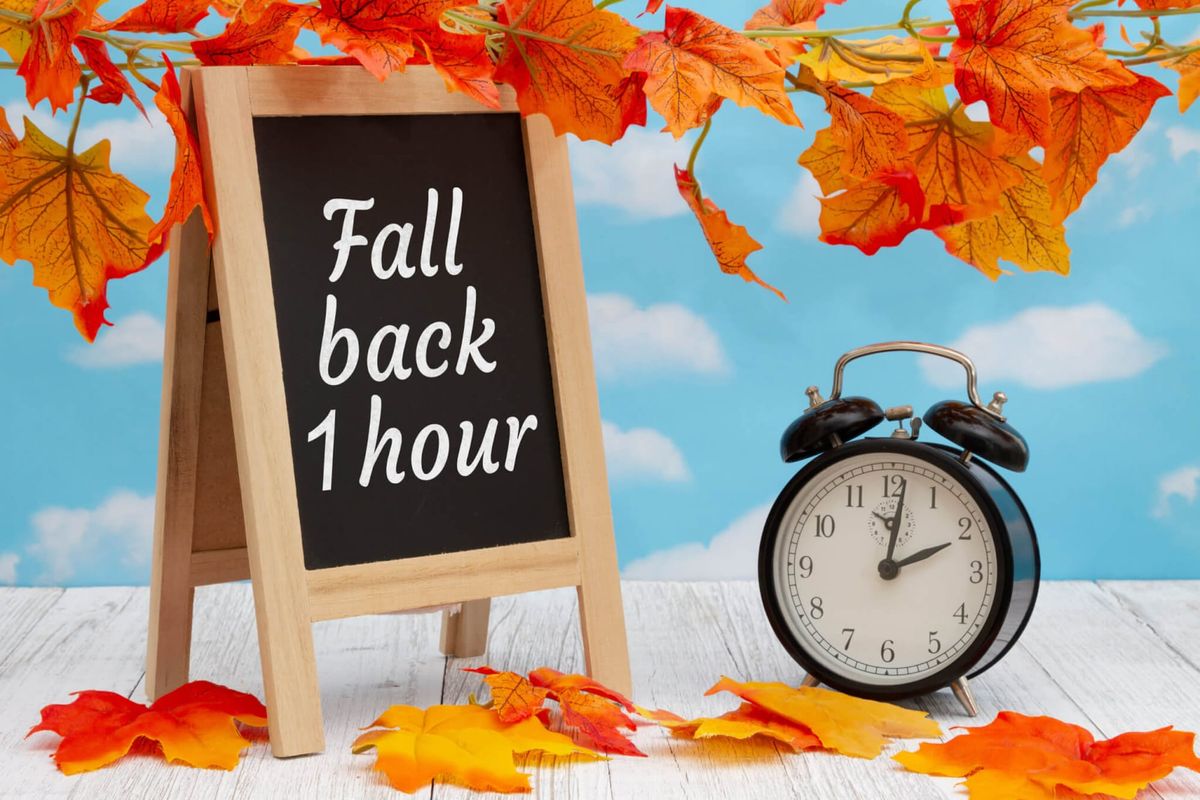
The end of daylight saving time is approaching, with clocks in most parts of the U.S. set to "fall back" one hour on Sunday, November 3, 2024. This change invites a mix of relief and anticipation as millions prepare for the shift that occurs twice a year. Here’s what you need to know about daylight saving time and the reasons behind this seasonal clock adjustment.
When Does Daylight Saving Time End?
Daylight saving time began this year on March 10, when we turned our clocks forward by one hour. The transition back to standard time occurs on November 3, specifically at 2 a.m. local time. At 1:59:59 a.m. on that day, digital clocks—such as those on your smartphone—will not jump ahead to 2 a.m.; instead, they will revert to 1 a.m. Be sure to adjust your analog clocks and any devices that do not automatically update.
This time change means an extra hour of sleep—a welcome contrast to the springtime shift, when we lose an hour. As a result, the sun will set an hour earlier in the evening and rise earlier in the morning. For instance, in New York City, the sun will set at 5:50 p.m. on November 2, but once daylight saving time ends, it will set at 4:49 p.m. on November 3.
The History of Daylight Saving Time
Daylight saving time has a complex history in the United States. Established by the Standard Time Act of 1918, the practice was initially met with controversy and was repealed the following year. It was reinstated during World War II for energy conservation reasons and eventually became a decision made at state and local levels. The Uniform Time Act of 1966 reinstated it as federal law, though the start and end dates have evolved. Since 2007, the U.S. has observed daylight saving time starting on the second Sunday in March and ending on the first Sunday in November.
While many attribute the concept of adjusting clocks to Benjamin Franklin, who suggested altering sleep schedules to conserve energy, The Franklin Institute clarifies that he merely proposed a change in Paris to save on candles. Instead, the idea is credited to New Zealand entomologist George Hudson, who in 1895 sought to have more daylight in the evenings for insect hunting, while British builder William Willett aimed to extend daylight for golfing.
States That Don’t Observe Daylight Saving Time
Interestingly, not all states participate in this biannual clock adjustment. Hawaii and most of Arizona choose to remain on standard time year-round. A significant number of countries in Europe and North America do observe daylight saving time, though their schedules may differ. Countries in the Southern Hemisphere also follow daylight saving practices, but their timing aligns with their summer months, which occur during the winter in the Northern Hemisphere.
The Future of Daylight Saving Time
The potential for abolishing the practice of changing clocks is a topic of ongoing discussion. In 2022, the Senate passed the Sunshine Protection Act, which sought to make daylight saving time permanent. Supported by a bipartisan group of 17 cosponsors, including Florida Senator Marco Rubio, the bill aimed to eliminate the need for "falling back" in November. Rubio has been vocal about the need to end this ritual, stating that "locking the clock has overwhelming bipartisan and popular support."
However, the House bill did not advance past the Committee on Energy and Commerce in 2023, leaving the future of daylight saving time uncertain. Advocates continue to push for legislation that would bring about a permanent change to standardize timekeeping practices, citing potential health and economic benefits.
As the end of daylight saving time draws near, many will relish the opportunity to gain an extra hour of rest while reflecting on the historical and cultural significance of this time-honored tradition.
Read More: Hugh Hewitt Leaves Washington Post After Lengthy Columnist Career